
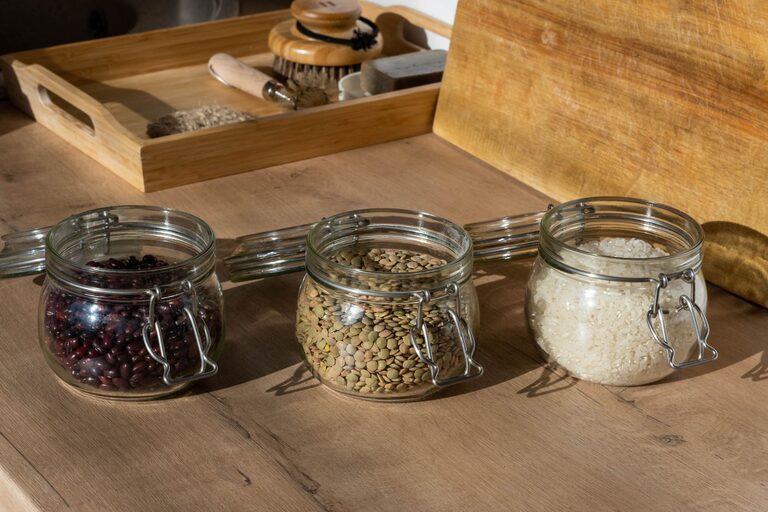
How to Plan Meals from Pantry Staples for Easy, Stress-Free Cooking
Planning meals from pantry staples is a smart way to save time, reduce stress, and minimize trips to the grocery store. With a well-stocked pantry and a little creativity, you can whip up delicious, satisfying meals using items you already have on hand. Whether you’re looking to cook more efficiently or stick to a budget, this guide will help you build meals from pantry essentials with confidence.
Why Meal Planning from Pantry Staples Works
Using pantry staples as the foundation for your meals offers several benefits:
– Convenience: You can prepare meals without worrying about missing ingredients.
– Cost Savings: Pantry items often have a longer shelf life and purchasing in bulk saves money.
– Reduced Food Waste: Cooking with what you have helps prevent spoilage.
– Flexibility: Staples can be mixed and matched for a variety of cuisines and flavors.
What Counts as Pantry Staples?
Pantry staples are non-perishable or long-lasting ingredients that form the backbone of many recipes. Common staples include:
– Grains: rice, pasta, quinoa, oats
– Legumes: canned or dried beans, lentils, chickpeas
– Canned goods: tomatoes, vegetables, tuna, broth
– Baking essentials: flour, sugar, baking powder, baking soda
– Oils and vinegars: olive oil, vegetable oil, apple cider vinegar
– Spices and herbs: salt, pepper, garlic powder, paprika, dried herbs
– Nut butters and condiments: peanut butter, soy sauce, mustard
– Shelf-stable dairy alternatives: powdered milk, evaporated milk
Step 1: Take Inventory of Your Pantry
Start by clearly identifying what you already have. This reduces unnecessary purchases and sparks meal ideas.
– Pull everything out and organize by category.
– Check expiration dates.
– Note any staples you’re running low on.
– Keep an updated list for future reference.
Step 2: Choose a Meal Framework
Using pantry staples, build your meal around one or more core ingredients. Here are common frameworks:
Grain-Based Meals
Combine grains like rice or pasta with beans, canned veggies, and spices for a filling dish. Examples:
– Rice and beans with sautéed canned tomatoes and spices.
– Spaghetti tossed with olive oil, garlic, and canned tuna.
Soup or Stew
Using broth, canned vegetables, and legumes, soups are nutritious and easy.
– Lentil soup with canned tomatoes and herbs.
– Chickpea stew with spices and broth.
Stir-Fries and Sautés
Use oil, canned veggies, and proteins like beans or canned fish.
– Quinoa stir-fry with mixed canned vegetables and soy sauce.
– Sautéed beans with garlic, olive oil, and herbs.
Baked Goods and Breakfast
Many staples can be transformed into quick breads or breakfasts.
– Oatmeal with nut butter and dried fruit.
– Pancakes made from flour, baking powder, and powdered milk.
Step 3: Plan Balanced Meals
Aim to include a combination of carbohydrates, proteins, and fats, even when working with pantry items alone.
– Carbs: grains like pasta or rice
– Protein: beans, lentils, canned fish, nut butters
– Healthy fats: olive oil, nuts, seeds
– Flavor: herbs, spices, vinegars, condiments
Incorporate fresh or frozen produce when available to add nutrients and variety.
Step 4: Use Recipes and Inspiration
Gather simple recipes that focus on pantry staples. Recipe websites, cooking apps, or community forums often have sections dedicated to pantry meals.
– Keep a folder or digital collection of easy recipes.
– Experiment by swapping ingredients based on what’s in your pantry.
Step 5: Prep and Store Efficiently
Planning ahead helps streamline mealtime.
– Cook large batches of grains or beans to use throughout the week.
– Store pre-cooked ingredients in airtight containers.
– Label leftovers with dates.
Tips for Success
– Rotate stock regularly: Use older items first to avoid waste.
– Invest in quality staples: Good olive oil or spices enhance simple dishes.
– Keep a basic spice set: Salt, pepper, garlic powder, cumin, and chili flakes cover many flavor profiles.
– Freeze perishables: Freeze any fresh produce before it spoils to extend usability.
– Mix fresh and pantry items: Add fresh garlic or frozen vegetables to boost flavor and nutrition.
Sample Pantry Staples Meal Plan for a Day
Breakfast: Oatmeal topped with peanut butter and cinnamon
Lunch: Chickpea and tomato stew served over rice
Snack: Crackers with canned tuna and mustard
Dinner: Pasta with olive oil, garlic powder, canned spinach, and crushed red pepper flakes
Dessert: Simple baked apples with sugar and cinnamon (using pantry-dried apples or fresh ones)
Final Thoughts
Meal planning from pantry staples can simplify your cooking routine and inspire creativity in the kitchen. By understanding what you have, choosing flexible meal structures, and balancing ingredients, you can enjoy delicious meals with less stress. Start your pantry meal plan today and discover how easy and rewarding cooking with staples can be!
